What Is a Trading Card? A Beginner's Guide for New Collectors
What is a trading card? This beginner's guide explains what trading cards are, why people collect them, the main types, and how to start your own collection.
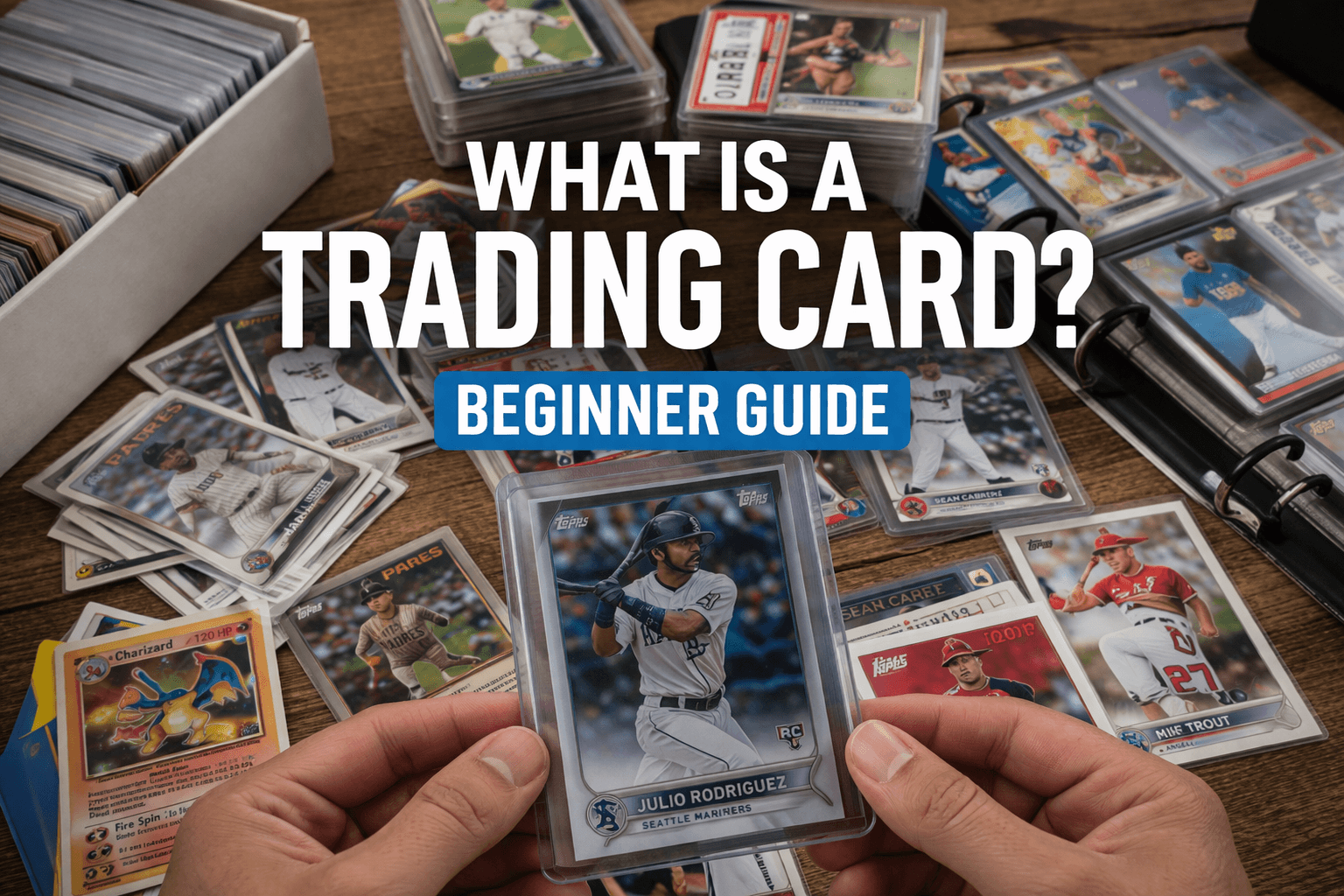
If you’re new to the hobby, you’ve probably asked a pretty simple question that actually opens the door to a much bigger world: What is a trading card?
A trading card is a collectible card that usually features a person, character, team, stat line, image, or piece of artwork. Some cards focus on sports. Others feature gaming, entertainment, or pop culture. People collect them for various reasons. Some want to complete sets. Some chase favorite players or characters. Some enjoy the history, rarity, design, and thrill of the hunt.
That’s what makes trading cards so interesting. They can be nostalgic, fun, competitive, personal, and surprisingly detailed all at once.
For beginners, the hobby can seem a little intimidating at first. There are different sports, brands, sets, parallels, inserts, rookie cards, autographs, and more. The good news is that you don’t need to know everything on day one. You just need to understand the basics, start with what interests you, and build from there.
What Is a Trading Card?
A trading card is a small collectible card made for collecting, trading, organizing, and sometimes selling. Most trading cards include some combination of photography, illustration, player or character names, team or series branding, stats, biographical details, or special design elements.
Sports cards are one of the most familiar examples. A baseball card might show a player photo on the front and career stats on the back. A basketball or football card may include a player image, team logo, position, and season information. Over time, card makers began adding special versions with autographs, relics, serial numbers, foil treatments, and rare variations.
Trading cards are not limited to sports, though. There are also cards based on games, movies, TV shows, comics, and original fantasy artwork. Some are valued for gameplay. Others are valued as collectibles.
At the core, the definition stays simple. A trading card is a collectible item featuring people, stats, or artwork, created for fans, collectors, and hobbyists.
Why Are They Called Trading Cards?
The name comes from one of the hobby's most social aspects: trading.
Collectors have always swapped cards with one another to complete sets, pick up favorite players, or move cards they no longer want. Long before apps, livestream breaks, and online marketplaces, people were trading cards in schoolyards, card shops, at shows, and with friends.
The trade itself became part of the culture. Someone might pull a duplicate, another collector might need it, and a deal would happen. That exchange is still a huge part of the hobby today. Even if many collectors now buy and sell rather than trade one-for-one, the spirit is still there.
So while people collect, buy, organize, and sell cards, the term trading card stuck because the hobby grew around the idea of swapping collectibles with other people.
What Do Trading Cards Usually Show?
The content depends on the category, though most trading cards are built around identity and detail.
A sports trading card often includes:
- A player photo
- Name
- Team
- Position
- Brand and set
- Card number
- Stats or career highlights
- Season or year
A non-sports card may include:
- Character artwork
- Franchise branding
- Scene stills
- Lore or background information
- Limited-edition design elements
- Set number or checklist position
Some cards are straightforward and informational. Others are designed to feel premium, artistic, or rare. That’s part of what draws people in. A card can be a simple collectible, a visual piece of design, a tiny bit of sports history, or a chase item all at once.
The Main Types of Trading Cards
Not every trading card belongs to the same lane. For beginners, it helps to know the broad categories first.
Sports Trading Cards
These are the cards most people think of first. Baseball, basketball, football, hockey, soccer, wrestling, and other sports all have active card markets and fan bases.
Collectors may focus on:
- Favorite players
- Rookie cards
- Hall of Famers
- Vintage cards
- Modern releases
- Specific sets or brands
Sports cards are popular because they connect collecting with fandom. You’re not only collecting cardboard. You’re collecting moments, careers, teams, and history.
Non-Sports Trading Cards
These cards cover entertainment, pop culture, movies, shows, comics, and other franchises. Some are highly nostalgic. Others are part of newer fandoms with strong collector communities.
Collectors may chase favorite characters, complete themed sets, or look for rare inserts and signed cards.
Trading Card Game Cards
Some cards are collectibles, and some are also meant to be played in games. Trading card game cards carry value both as playable pieces and as collectibles. A beginner will quickly notice that condition, rarity, artwork, and competitive usefulness can all affect interest in these cards.
Even though the collecting style may look different, they still fit under the broader umbrella of trading cards.
Why Do People Collect Trading Cards?
This is where the hobby gets personal.
Some people collect because they love a sport, a player, a team, or a franchise. Some love the history behind certain cards. Others enjoy completing sets or hunting for rare pulls. Some appreciate the photography, graphic design, and artwork. Some like the community side of the hobby, from trading to shows to online discussions.
Many collectors enjoy the structure of it. There’s always something to chase, sort, organize, or learn. Even a small collection starts telling a story over time.
Here are a few common reasons people collect:
Personal Connection
A collector might chase players they grew up watching or teams they’ve supported for years. That turns a card into more than an object. It becomes tied to a memory or identity.
Set Building
Some collectors want every card in a release. That challenge can be fun, focused, and surprisingly addictive.
Favorite Players or Characters
Not everyone wants everything. Plenty of people narrow their collection to one player, one team, one franchise, or one type of card.
Design and Artwork
Some cards just look great. A bold design, clean layout, iconic photo, or special finish can make a card appealing even outside of rarity.
Rarity and Chase
Part of the hobby is the thrill of finding something limited, hard to pull, or tough to track down.
Community
Trading cards bring people together. Collectors talk, trade, show pickups, compare sets, and help each other learn the hobby.
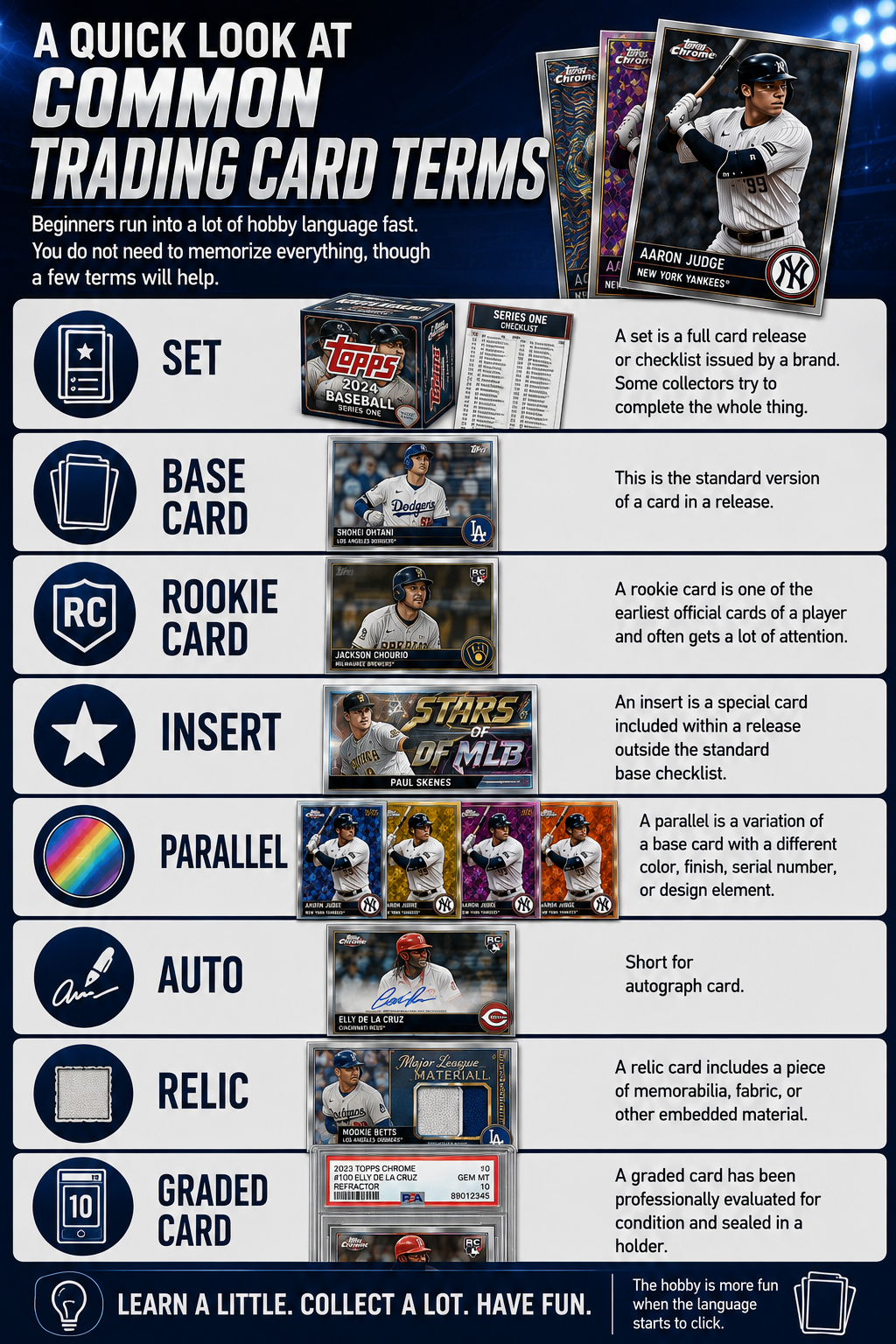
A Quick Look at Common Trading Card Terms
Beginners run into a lot of hobby language fast. You do not need to memorize everything, though a few terms will help.
Set
A set is a full card release or checklist issued by a brand. Some collectors try to complete the whole thing.
Base Card
This is the standard version of a card in a release.
Rookie Card
A rookie card is one of the earliest official cards of a player and often gets a lot of attention.
Insert
An insert is a special card included within a release outside the standard base checklist.
Parallel
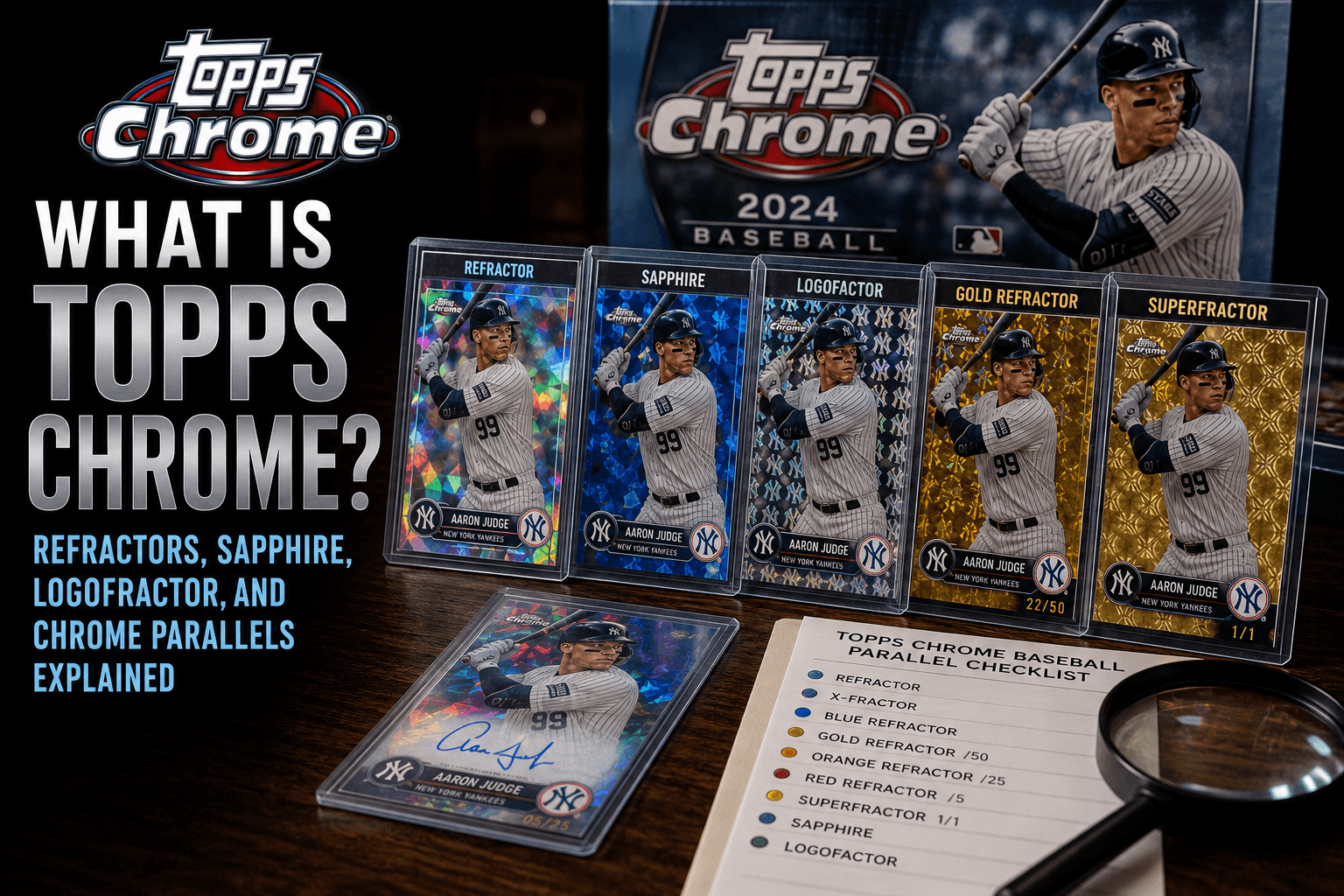
A parallel is a variation of a base card with a different color, finish, serial number, or design element.
Auto
Short for autograph card.
Relic
A relic card includes a piece of memorabilia, fabric, or other embedded material.
Graded Card
A graded card has been professionally evaluated for condition and sealed in a holder.
Are Trading Cards Only for Serious Collectors?
Not at all.
One of the biggest beginner misconceptions is that you need to be a hardcore expert or big spender to enjoy the hobby. You don’t. Plenty of people collect casually. Some buy a few packs now and then. Some collect one player. Some keep a small binder of favorite cards. Some only care about the nostalgia.
There’s room for all of that.
The hobby only gets stressful when people feel like they have to collect the way someone else collects. You really don’t. You can go big, keep it simple, stay focused, or jump around until you figure out what you enjoy most.
That freedom is part of the appeal.
What Makes One Trading Card Different From Another?
At first glance, two cards might look similar. The more time you spend in the hobby, the differences become easier to spot.
A card can vary based on:
- Year
- Brand
- Set
- Player or character
- Card number
- Design
- Parallel color or finish
- Serial numbering
- Autograph or memorabilia content
- Print run
- Condition
That’s why organization matters. Even newer collectors can end up with cards that are harder to identify than expected. A small variation may completely change what the card is.
That’s also why good catalog tools are useful. The more cards you collect, the more important it becomes to know exactly what you have.
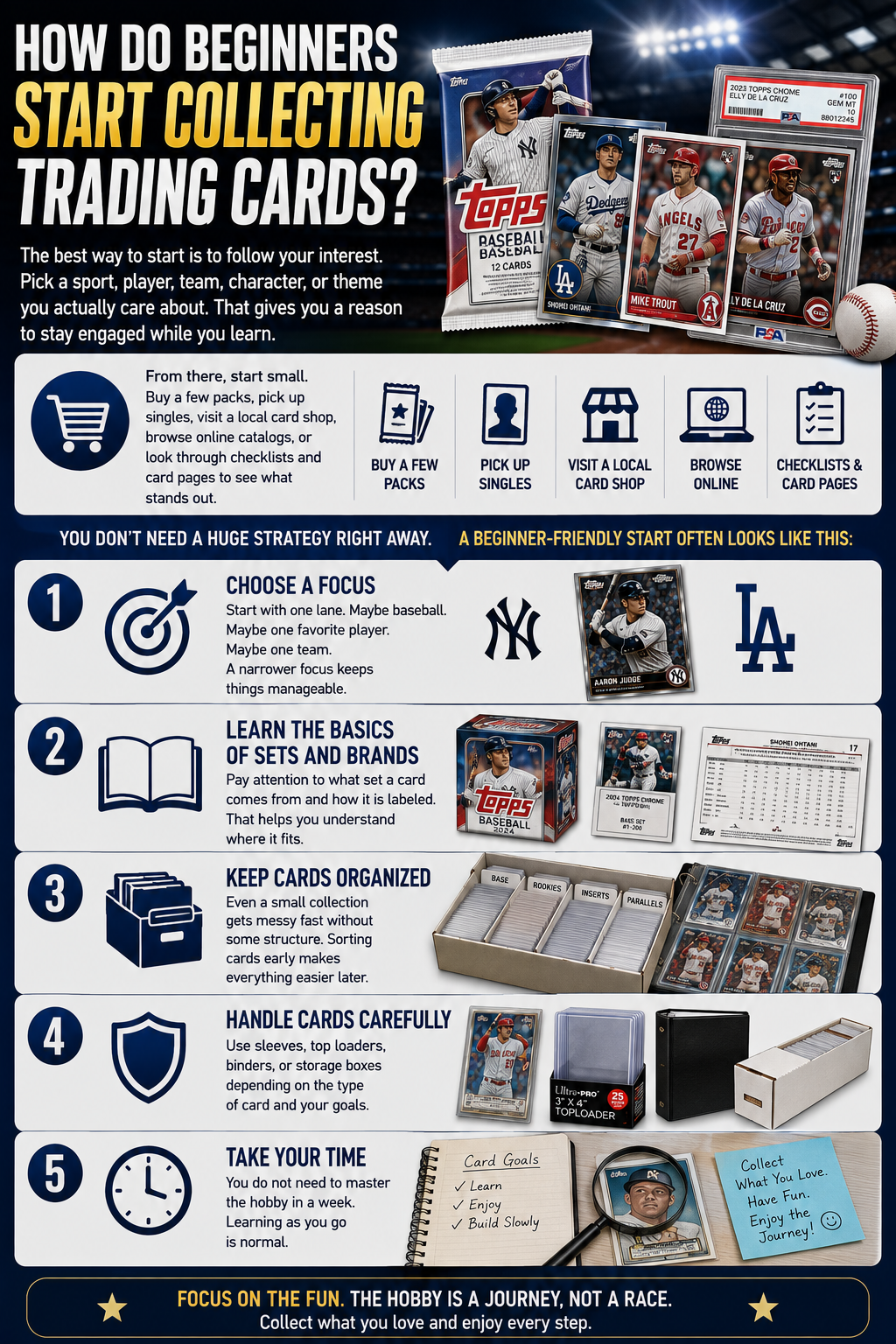
How Do Beginners Start Collecting Trading Cards?
The best way to start is to follow your interest.
Pick a sport, player, team, character, or theme you actually care about. That gives you a reason to stay engaged while you learn. From there, start small. Buy a few packs, pick up singles, visit a local card shop, browse online catalogs, or look through checklists and card pages to see what stands out.
You do not need a huge strategy right away. A beginner-friendly start often looks like this:
Choose a Focus
Start with one lane. Maybe baseball. Maybe one favorite player. Maybe one team. A narrower focus keeps things manageable.
Learn the Basics of Sets and Brands
Pay attention to what set a card comes from and how it is labeled. That helps you understand where it fits.
Keep Cards Organized
Even a small collection gets messy fast without some structure. Sorting cards early makes everything easier later.
Handle Cards Carefully
Use sleeves, top loaders, binders, or storage boxes depending on the type of card and your goals.
Take Your Time
You do not need to master the hobby in a week. Learning as you go is normal.
Why Organization Matters Earlier Than Most People Think
Many beginners wait too long to organize their collection. At first, that seems fine because the stack is still small. Then the pile grows, duplicates pile up, and suddenly it becomes hard to know what you own.
That creates problems fast. You may forget cards you already have. You may lose track of favorites. You may struggle to identify variations later. You may not know which set a card belongs to or whether you already own another version of it.
Getting organized early saves a lot of friction.
Even if you’re only starting out, it helps to track cards in one place where you can search, review, and build your collection over time. That way, your hobby stays fun instead of turning into a mystery box you have to decode every few months.
Are Trading Cards Worth Money?
Some are. Some aren’t. That’s the honest answer.
Value depends on many factors, including player popularity, rarity, condition, demand, grading, set importance, and collector interest. A common base card may be mostly sentimental. A rare parallel, vintage rookie, or autograph card can attract a lot more attention.
Still, beginners should try not to enter the hobby thinking only about money. The strongest collections usually start with genuine interest. That makes the experience more enjoyable and helps you learn the hobby in a more grounded way.
If value becomes part of the picture later, great. Just don’t let it be the only reason you start.
Trading Cards Are Small Objects With Big Stories
One of the coolest things about trading cards is how much can fit into such a small format.
A card can capture a rookie season, a legendary player, a favorite character, a memorable design era, a rare pull, or a personal collecting goal. It can remind someone of opening packs as a kid or send them down a rabbit hole of set-building and catalog searching years later.
That staying power is why the hobby keeps bringing people in.
Trading cards are easy to overlook if you’ve never collected them before. Once you start paying attention, you realize they sit at the intersection of fandom, design, memory, and collecting culture in a way that few items do.
Final Thoughts
So, what is a trading card?
It’s a collectible item featuring people, stats, or artwork, made to be collected, traded, organized, and enjoyed. Some are simple. Some are rare. Some are purely nostalgic. Some become the centerpiece of a collection. All of them belong to a hobby that welcomes beginners, lifelong collectors, and everyone in between.
You do not need to know every term or chase every release to get started. You just need curiosity and a starting point that feels fun to you.
If you’re starting your collection, you can track it for free on CardWiki and begin organizing your cards in one place.